Refactored is built to Educate, Enable, and Empower you with the technical skills the industry demands. But we know that even with the best tools, the hardest part is often just getting the momentum started: finishing a tough module, breaking out of a stagnant role, or preparing for that next big career move.
David Dilday is one of our instructors here, but he is also the author of The Excuse Index and a coach specializing in the discipline of personal ownership. We’ve asked him to share some of his 'Index Insights' here as an extra resource for our community. Whether you're struggling to find your groove or you're looking to sharpen your mindset for a leadership path, David’s frameworks are designed to help you get moving. He shares deeper dives on these topics over at daviddilday.net, and we’re happy to share his perspective here to help you get the most out of your time at Refactored.

You can hit every deadline, close out your tickets on time, and write clean code, yet still be the person your manager dreads talking to on Monday morning.
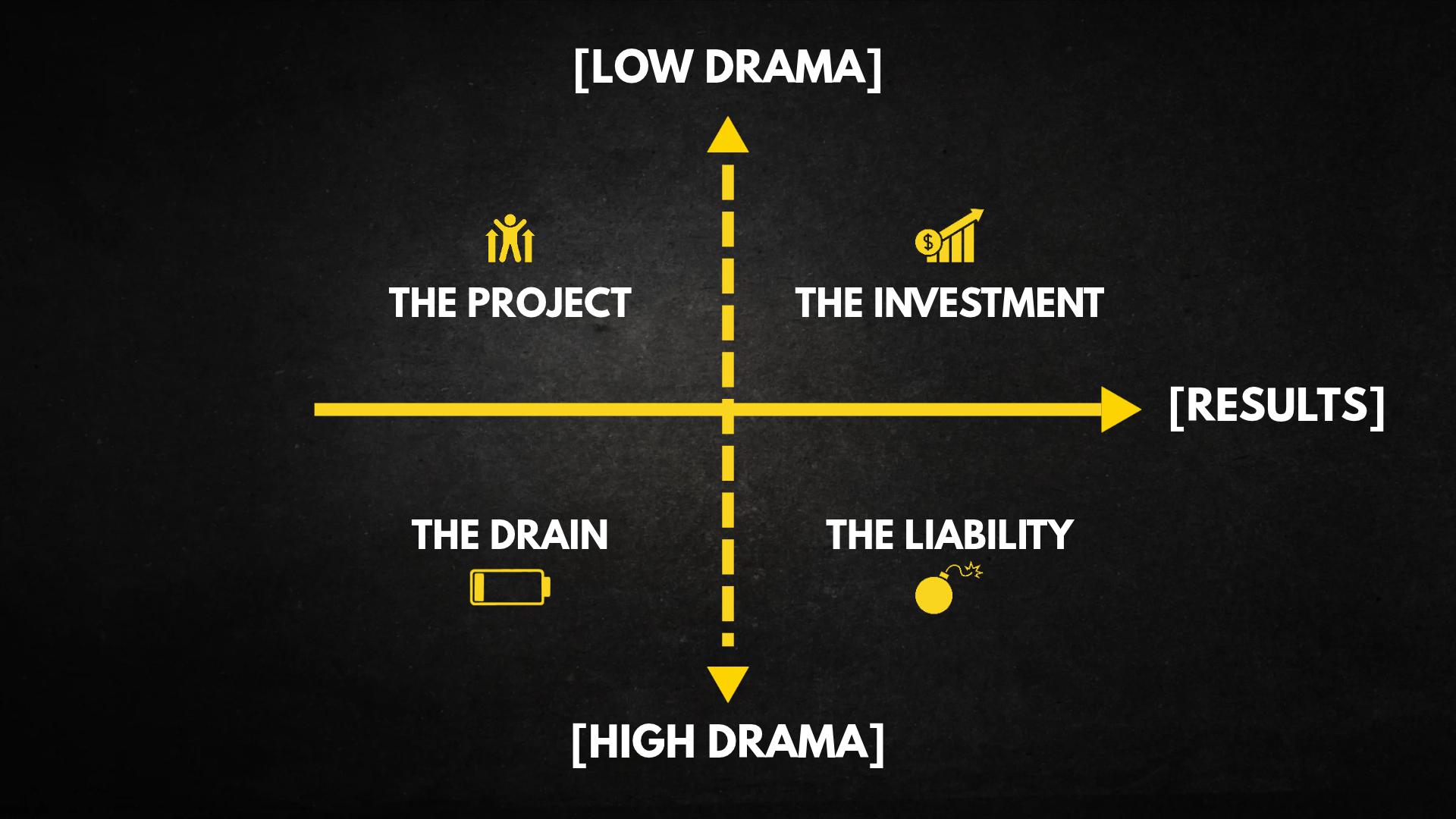
Most professionals evaluate their workplace value strictly by their technical competence. When your deliverables are solid, it is easy to assume your manager loves having you on the team. Yet technical capability is only half the equation, because how much emotional and mental energy you demand from your leadership determines your real reputation.
Every engineering team has people who drain leadership capacity without realizing it. These team members require delicate handling whenever priorities change, treat constructive feedback as a personal insult, and dump raw problems onto their manager with no suggested path forward. Managing someone like that feels like walking through a minefield where every conversation requires extensive preparation. Over time, leaders naturally stop bringing challenging projects and growth opportunities to people who make routine collaboration feel exhausting.
Returning Bandwidth to Your Team
The strongest engineers make life simple for the people leading them. When an outage happens, they do not just dump a broken server in their manager's lap and wait to be told what to do; they bring two workable options and a clear recommendation. When they get tough feedback, they listen instead of getting defensive, and when project priorities change, they roll with the punches. To be clear, being easy to work with does not mean keeping your head down. It means having enough ownership and accountability to solve problems without needing someone to stand over your shoulder. Frankly, it also means that you aren’t a pain to work with.
The unfortunate part is that most people don’t realize when they are the exhausting one. The blame is typically pointed right back at leadership because of “their incompetence.”
Read More on "Are You Exhausting to Manage?"
This perspective is part of the mindset work David Dilday uses to help technical professionals build true credibility and career ownership. To explore the full breakdown and learn practical habits to become a low maintenance, high impact contributor, read the complete article on David's site:
Stop Getting in Your Own Way
Certifications and technical chops might land you the job, but they will not keep your career moving forward if you are constantly stuck in your own head. When your daily routine starts feeling like a hamster wheel, breaking the pattern is tough. That is usually when the doubts creep in: How did I get here? Will I ever build something that matters? Is this really all there is?
I spent years asking myself those exact questions. In my own head, they turned into rationalizations about why the deck was stacked against me or why success both in work and my personal life was reserved for other people. Digging myself out of that rut and taking real ownership of my daily actions inspired me to write The Excuse Index.
In the book, I unpack the specific stories we tell ourselves when we are dodging tough conversations, putting off critical work, or playing it safe. I didn’t write it to give you hype or some empty rah-rah motivation. Rather, my book gives you direct, practical tools to catch your favorite excuses in the act, and start building actual momentum in your career.